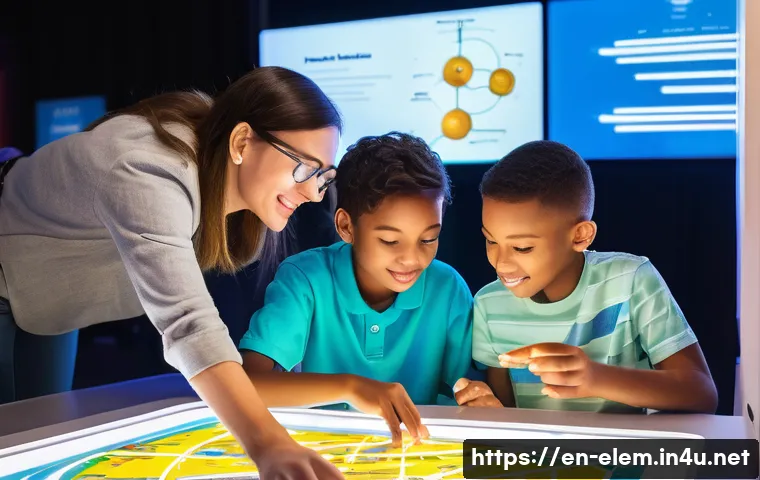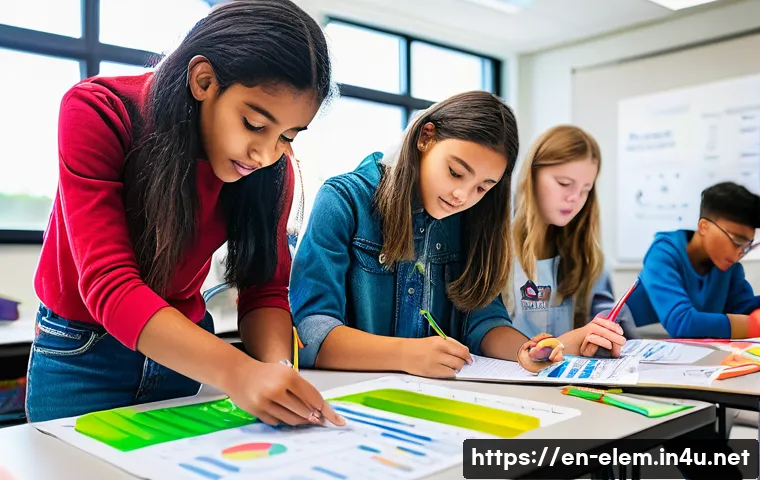
In today’s rapidly evolving world, education needs to break traditional boundaries and embrace interdisciplinary learning. Fusion education projects combine multiple subjects to create a dynamic and engaging learning experience that mirrors real-life challenges.
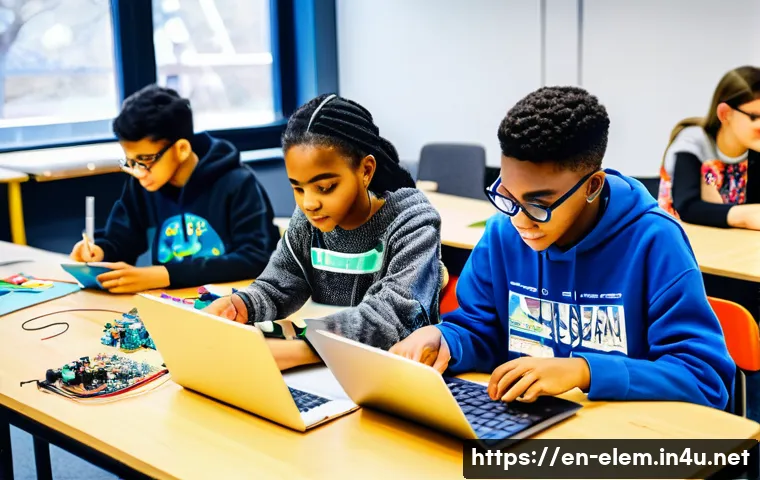
From STEM to arts integration, these projects encourage creativity, critical thinking, and collaboration among students. Having explored several such initiatives myself, I can say they truly spark curiosity and deeper understanding.
If you’re curious about how fusion education can transform learning environments, we’re about to dive into the details. Let’s explore this exciting approach together!
Bridging Disciplines for Real-World Problem Solving
Understanding the Value of Cross-Subject Connections
When students engage with content that spans multiple disciplines, they start to see the bigger picture rather than isolated facts. For example, blending science with art doesn’t just make the lesson more interesting—it helps learners grasp complex concepts through creative expression.
I’ve noticed in classrooms where this happens, students naturally begin to ask deeper questions. This curiosity often leads to better retention and a more meaningful understanding of the subject matter.
The key is to move beyond rigid curriculum boxes and allow learning to flow freely between subjects.
Encouraging Critical Thinking Through Integration
Critical thinking thrives when students are pushed to make connections across different fields. Imagine a project where students design a sustainable city: they need to apply math for budgeting, science for environmental impact, and language skills to present their ideas convincingly.
I’ve seen firsthand how such integrative projects challenge students to analyze problems from multiple angles, improving their ability to reason and evaluate information critically.
This approach transforms passive learning into active exploration, making education feel more relevant to everyday life.
Collaboration as a Natural Outcome of Fusion Learning
Fusion projects naturally demand teamwork, as no one can master every discipline alone. This mirrors real-world scenarios where diverse expertise comes together to solve complex issues.
In my experience facilitating these projects, I’ve observed students developing stronger communication and interpersonal skills as they negotiate roles and share responsibilities.
This collaboration not only enhances their academic skills but also builds confidence and empathy—qualities essential for success beyond the classroom.
Integrating STEM and Arts for Holistic Development
The Rise of STEAM Education
Adding the arts to STEM (Science, Technology, Engineering, and Math) creates STEAM, which emphasizes creativity alongside technical skills. This fusion isn’t just a trend; it’s a response to the increasing need for innovation in the workforce.
From my observations, students engaged in STEAM activities show improved problem-solving abilities because the arts encourage divergent thinking—thinking outside the box.
These projects often involve hands-on tasks like coding a digital animation or building a robotic sculpture, which blend logic with imagination seamlessly.
Practical Examples of STEAM in Action
One memorable example I encountered involved middle schoolers designing wearable technology. They had to research materials (science), calculate measurements (math), program sensors (technology), and present their inventions creatively (arts).
This kind of project not only made the learning process exciting but also prepared students for emerging career paths. The integration helps break down the stereotype that arts and sciences are separate, showing instead how they complement each other brilliantly.
Benefits Beyond Academics
STEAM projects also nurture emotional intelligence and resilience. When students face setbacks in their designs or experiments, they learn perseverance and adaptability.
I’ve seen shy students blossom when given the chance to express their ideas artistically, which builds their self-esteem. Moreover, these projects often spark a lifelong passion for learning, making education a joyful rather than a stressful experience.
Technology as a Catalyst for Fusion Learning
Tools That Enhance Interdisciplinary Projects
Technology plays a pivotal role in making fusion education accessible and engaging. From digital storytelling platforms to virtual labs, these tools allow students to explore concepts interactively.
In my experience, using multimedia resources helps bridge gaps between subjects, such as combining history with geography through immersive maps or linking literature with social studies via digital archives.
These tech-enabled experiences encourage exploration and deepen understanding.
Virtual Collaboration and Global Perspectives
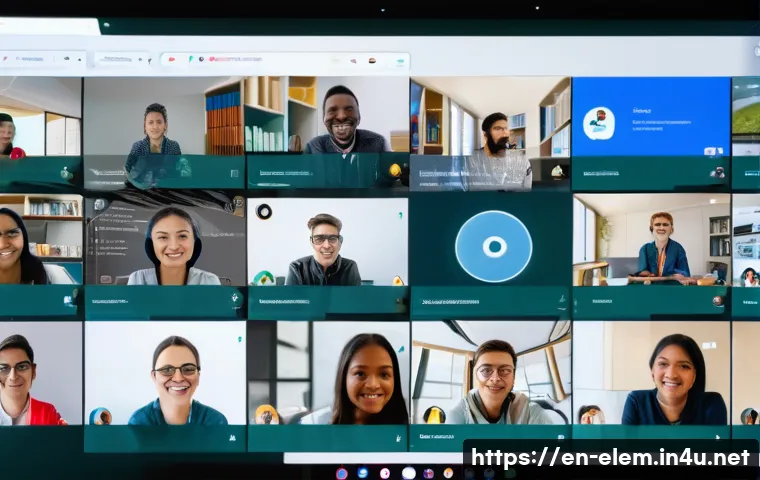
Technology also facilitates collaboration beyond the classroom walls. I’ve worked with projects where students from different countries co-created solutions to environmental challenges using video conferencing and shared online workspaces.
This exposure to diverse viewpoints enriches their learning and fosters global citizenship. Such projects illustrate how fusion education can connect learners across disciplines and cultures, preparing them for a highly interconnected world.
Challenges and Considerations
While technology offers incredible benefits, it’s important to ensure equitable access and avoid distractions. I’ve witnessed instances where lack of proper guidance led to students feeling overwhelmed or unfocused.
Effective fusion education requires thoughtful integration of technology with clear objectives and support. Teachers need ongoing training to harness these tools skillfully, ensuring that tech enhances rather than hinders interdisciplinary learning.
Developing Essential 21st Century Skills Through Fusion
Creativity and Innovation
Fusion education naturally fosters creativity by encouraging students to combine ideas from various fields. For example, designing a product requires artistic vision alongside engineering principles.
I’ve seen students surprise themselves by coming up with novel solutions they never thought possible, proving that when boundaries blur, innovation flourishes.
This skill is crucial not only academically but also in future workplaces where unique problem-solving is prized.
Communication and Collaboration
Projects requiring input from multiple disciplines demand clear communication and teamwork. Through my experiences, I’ve noticed that students develop stronger interpersonal skills as they negotiate ideas and compromise to reach shared goals.
These interactions teach respect for diverse perspectives and prepare learners to work effectively in any team environment. Such soft skills are often what distinguish successful professionals in competitive fields.
Adaptability and Lifelong Learning
Fusion learning prepares students to be flexible thinkers who can adapt to changing circumstances. In real life, problems don’t come neatly packaged by subject, so being able to integrate knowledge and pivot strategies is invaluable.
I’ve seen students become more confident in handling ambiguity and uncertainty, traits that are essential for continuous growth and success beyond formal education.
Designing Effective Fusion Learning Experiences
Aligning Curriculum and Objectives
Creating successful fusion projects requires intentional planning to ensure that learning goals from different subjects align well. From my experience, collaboration among teachers from various departments is key to crafting cohesive, meaningful projects.
They need to balance content coverage with opportunities for creativity and critical thinking, which can be challenging but rewarding when done right.
Incorporating Student Interests and Strengths
One way to boost engagement is by tailoring projects to students’ passions and abilities. I’ve observed that when learners see their interests reflected in assignments, they invest more effort and enthusiasm.
For instance, a student interested in music might analyze sound waves in physics or compose a song about historical events. This personalized approach makes fusion education feel relevant and motivating.
Assessment Strategies for Interdisciplinary Work
Evaluating fusion projects can be complex since they span multiple skills and knowledge areas. In practice, I’ve found that combining formative assessments, peer reviews, and self-reflections works best.
These methods capture not only content mastery but also collaboration, creativity, and problem-solving abilities. Clear rubrics that highlight these diverse criteria help students understand expectations and grow holistically.
Measuring the Impact of Interdisciplinary Learning
Academic Performance and Engagement
Studies and classroom experiences alike show that fusion education often leads to higher student engagement and improved academic outcomes. Personally, I’ve seen test scores rise when students connect concepts across subjects because the material feels more meaningful and less abstract.
Engagement also spikes as learners become active participants rather than passive recipients.
Social and Emotional Growth
Beyond academics, fusion projects support social skills and emotional well-being. I recall a project where students worked in diverse teams to tackle community issues; the process helped them develop empathy and confidence.
These emotional gains are just as important as intellectual ones because they contribute to overall student success and happiness.
Long-Term Benefits for Career Readiness
The skills developed through interdisciplinary learning—critical thinking, creativity, collaboration—are highly sought after in the modern workforce. I have talked to former students who credit their fusion education experiences with helping them adapt quickly to job demands and innovate in their fields.
This approach equips learners not only to survive but to thrive in an ever-changing world.
Examples of Fusion Education Models and Their Features
Project-Based Learning (PBL)
PBL encourages students to work on complex questions or problems over extended periods. This model naturally supports fusion education by integrating multiple disciplines into a single project.
My experience shows that PBL promotes ownership of learning and real-world application, making education more dynamic and effective.
Inquiry-Based Learning
Inquiry-based approaches invite students to ask questions and seek answers collaboratively, often crossing traditional subject lines. I’ve observed that this method enhances curiosity and research skills, as learners explore topics from scientific, historical, and cultural perspectives simultaneously.
Design Thinking
Design thinking focuses on empathy, ideation, prototyping, and testing. It fits perfectly with fusion education by encouraging students to blend creativity with analytical thinking.
From my experience, this approach leads to innovative solutions and prepares students to tackle ambiguous problems in any domain.
| Model | Key Features | Benefits | Challenges |
|---|---|---|---|
| Project-Based Learning (PBL) | Long-term projects, real-world problems, cross-disciplinary integration | Promotes deep understanding, engagement, collaboration | Requires careful planning, time management |
| Inquiry-Based Learning | Student-driven questions, research, critical thinking | Enhances curiosity, research skills, interdisciplinary connections | Needs strong facilitation, resource availability |
| Design Thinking | Empathy, ideation, prototyping, iterative testing | Fosters creativity, problem-solving, adaptability | Can be challenging for novices, requires mindset shift |
Supporting Educators in Fusion Education
Professional Development and Training
For fusion education to succeed, teachers need ongoing support to develop interdisciplinary teaching skills. I’ve witnessed how workshops and collaborative planning sessions boost educators’ confidence and ability to design fusion projects.
When teachers share strategies and resources, they create a stronger, more innovative learning environment.
Building a Collaborative Culture
Encouraging collaboration among teachers, administrators, and even students is crucial. From what I’ve seen, schools that foster open communication and shared goals are more successful in implementing fusion education.
This culture reduces silos and promotes continuous improvement in teaching practices.
Access to Resources and Technology
Equipping educators with appropriate tools—whether digital platforms, materials, or time for planning—is essential. I’ve noticed that when resources are lacking, even the best intentions can fall short.
Supporting educators with what they need empowers them to create rich, interdisciplinary experiences that truly engage learners.
Conclusion
Fusion education bridges the gap between disciplines, offering students a richer and more engaging learning experience. By integrating diverse subjects, learners develop critical skills that prepare them for real-world challenges. This approach not only enhances academic success but also nurtures creativity, collaboration, and adaptability. Ultimately, fusion learning equips students to thrive in an ever-evolving global landscape.
Useful Information to Keep in Mind
1. Fusion learning encourages deeper understanding by connecting concepts across multiple subjects, making education more meaningful.
2. Integrating arts with STEM (STEAM) fosters creativity alongside technical skills, preparing students for innovative careers.
3. Technology enhances interdisciplinary projects by offering interactive tools and enabling global collaboration.
4. Effective fusion education develops essential 21st-century skills such as communication, critical thinking, and adaptability.
5. Supporting educators through professional development and resources is vital to successfully implement fusion learning models.
Key Takeaways
Fusion education thrives when curriculum goals align across disciplines, promoting collaborative and student-centered learning. Incorporating students’ interests boosts engagement, while diverse assessment methods capture a broad range of skills. Technology must be thoughtfully integrated to support, not distract, and educators require ongoing training to master interdisciplinary teaching. Above all, fusion learning cultivates creativity, resilience, and real-world problem-solving abilities essential for lifelong success.
Frequently Asked Questions (FAQ) 📖
Q: What exactly is fusion education, and how does it differ from traditional teaching methods?
A: Fusion education is an innovative approach that blends multiple subjects—like science, technology, engineering, arts, and mathematics—into integrated projects.
Unlike traditional teaching, which often separates subjects into isolated lessons, fusion education encourages students to see connections between disciplines, mirroring real-world problems.
This approach helps students develop a broader perspective, enhances creativity, and promotes critical thinking by making learning more relevant and hands-on.
Q: How can fusion education benefit students in their everyday learning and future careers?
A: From my experience, fusion education makes learning more engaging and meaningful by connecting classroom concepts to real-life situations. It fosters collaboration, problem-solving, and adaptability—skills highly valued in today’s job market.
Students not only gain knowledge from various fields but also learn to apply it creatively, which prepares them for diverse career paths. For example, combining coding with design principles can open doors to careers in game development or digital marketing.
Q: Are fusion education projects suitable for all grade levels, and how can teachers implement them effectively?
A: Absolutely! Fusion education can be tailored to fit any age group, from elementary school to higher education. The key is to design projects that match students’ developmental stages and interests.
Teachers can start small by integrating two subjects and gradually expand to more complex interdisciplinary activities. Based on what I’ve seen, collaborating with colleagues across departments and using real-world challenges as project themes makes implementation smoother and more impactful.
Plus, it’s rewarding to watch students light up when they realize how subjects connect beyond textbooks.