
Visiting a science museum offers a unique blend of education and entertainment that sparks curiosity in people of all ages. It’s a hands-on experience where complex scientific concepts come to life through interactive exhibits and demonstrations.
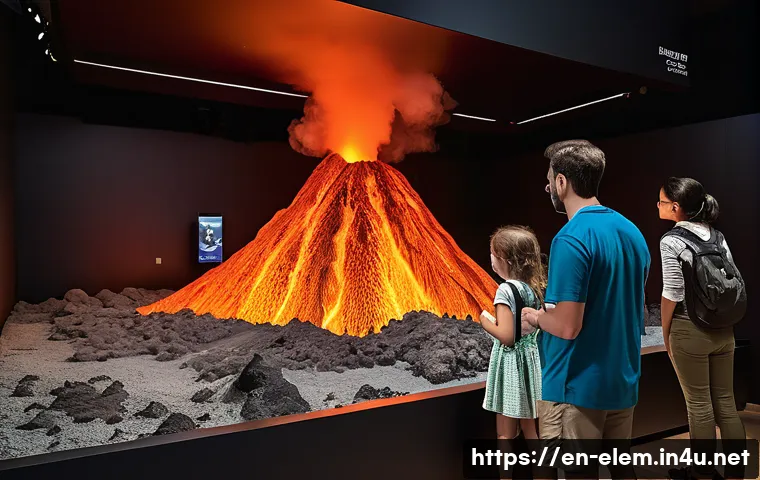
Whether you’re a student eager to see theory in action or a family looking for an engaging day out, science museums provide an inspiring environment to explore the wonders of the natural world.
The best part? You get to learn by doing, which makes the knowledge stick longer and feel more meaningful. Let’s dive deeper and discover why these visits are so valuable for everyone!
I’ll break it down clearly for you below.
Engaging All Ages Through Interactive Learning
Hands-On Exhibits That Spark Curiosity
One of the most remarkable things about science museums is how they transform abstract concepts into tangible experiences. Instead of passively reading or listening, visitors get to physically interact with displays.
For example, you might manipulate a giant model of a DNA strand or control a simulation of planetary orbits. These hands-on activities make it easier to grasp complex ideas because you’re not just hearing about science—you’re doing it.
I remember visiting a museum where I could create electrical circuits with snap-together components. That simple act of building something with my own hands turned a confusing topic into something fascinating and clear.
Multisensory Experiences Boost Retention
Science museums don’t rely on just one sense to communicate ideas; they engage multiple senses at once. Visuals, sounds, and sometimes even smells combine to create an immersive environment.
This multisensory approach helps information stick in your memory longer. For instance, hearing the roar of a simulated volcano while watching it erupt on a screen creates a stronger impression than simply reading about volcanic eruptions.
From my experience, the more senses involved, the more enjoyable and unforgettable the visit becomes.
Appealing to Diverse Learning Styles
Not everyone learns the same way—some prefer watching, others doing, and some listening. Science museums cater to these differences with a variety of exhibit types.
Visual learners benefit from colorful diagrams and videos; kinesthetic learners thrive on interactive models; auditory learners gain from guided tours or audio explanations.
This variety means families or groups with different preferences can all find something that resonates with them. When I visited with friends who had different interests, each person found a favorite exhibit, making the experience more inclusive and satisfying.
Exploring Cutting-Edge Science and Technology
Showcasing Innovations and Discoveries
Many science museums pride themselves on featuring the latest breakthroughs in technology and research. Exhibits often include robotics demonstrations, virtual reality experiences, or displays on renewable energy innovations.
Seeing these firsthand provides insight into where science is heading and how it impacts everyday life. When I saw a robot performing delicate surgical tasks during a museum visit, it made me appreciate how far technology has advanced and sparked questions about the future of medicine.
Linking Past Discoveries to Present Knowledge
Museums don’t just focus on what’s new—they also highlight the history of scientific progress. Exhibits tracing inventions from the telescope to the smartphone show how ideas build upon each other.
Understanding this timeline helps visitors appreciate the cumulative nature of science. For me, walking through displays of early microscopes and then stepping into a lab with modern imaging tools created a powerful sense of connection between past and present discoveries.
Opportunities for Real-Time Experimentation
Some museums feature live demonstrations or workshops where visitors can conduct simple experiments. These sessions let you test hypotheses, observe phenomena, and ask questions right then and there.
I joined a workshop on chemical reactions that allowed me to mix substances safely and see color changes and gas production firsthand. This immediate feedback loop makes learning dynamic and far more memorable than reading about experiments in a textbook.
Fostering Critical Thinking and Problem Solving
Interactive Challenges and Puzzles
Many science museums incorporate problem-solving tasks that encourage visitors to think critically. These might include logic puzzles, engineering challenges, or brain teasers embedded within exhibits.
Such activities push you to apply knowledge rather than just absorb facts. During a visit, I tackled a challenge where I had to design a bridge strong enough to hold a certain weight using limited materials.
This kind of engagement helped me realize that science isn’t just about memorizing—it’s about creativity and practical thinking.
Encouraging Questions and Exploration
Good science museums don’t just provide answers—they stimulate curiosity and encourage visitors to ask “why” and “how.” Exhibits often feature open-ended questions or interactive kiosks where you can explore multiple outcomes.
This fosters a mindset of exploration and continuous learning. I found myself wandering from one exhibit to another, each one prompting new questions and ideas, much like a real scientist’s journey.
Bridging Theory and Real-World Applications
Many exhibits demonstrate how scientific principles apply to everyday life or global challenges. From renewable energy to medical technology, these connections make science relevant and urgent.
When I saw a display on how solar panels convert sunlight into electricity, it clicked for me why renewable energy is critical and how it works at a basic level.
This practical relevance makes science feel less abstract and more connected to the world we live in.
Creating Memorable Family Experiences
Inclusive Activities for All Ages
Science museums are a great destination for families because they offer something for everyone—from toddlers to grandparents. Many museums design exhibits with multiple difficulty levels or include play areas where young kids can explore safely.
On a recent trip, my niece loved a sensory station that introduced basic physics through colorful balls and ramps, while my brother enjoyed a detailed astronomy exhibit.
This range ensures no one feels left out.
Encouraging Family Conversations
Visiting a science museum naturally sparks discussions about what everyone is seeing and learning. Families share observations, ask questions, and explain concepts to each other, which deepens understanding.
I noticed that after exploring a geology exhibit, my family talked about rocks and minerals for days afterward, turning the visit into an ongoing learning experience at home.
Building Lifelong Curiosity

Introducing children to science in a fun, engaging way helps nurture a lifelong love of learning. The excitement and wonder experienced at a museum can inspire kids to pursue science subjects in school and beyond.
I’ve seen young visitors light up when they discover something new, and that spark can grow into a passion or even a career. Family visits plant seeds that flourish over time.
Enhancing Education Beyond the Classroom
Complementing School Curriculum
Science museums provide practical experiences that reinforce classroom lessons. Many schools organize field trips to museums precisely because hands-on learning solidifies textbook knowledge.
I remember how visiting a planetarium made astronomy come alive far beyond what I’d learned in class. This real-world context helps students understand and retain scientific concepts better.
Offering Resources for Teachers and Students
Many museums develop educational programs, lesson plans, and workshops aligned with school standards. These resources support teachers in creating engaging lessons and help students prepare for exams.
When I volunteered at a museum education program, I saw firsthand how these materials boost student confidence and interest in STEM fields.
Providing Access to Expert Knowledge
Museums often host scientists, researchers, and educators who interact with visitors through talks, Q&A sessions, or guided tours. This direct access to experts enriches the learning experience and inspires curiosity.
During one visit, I attended a lecture by a marine biologist that transformed my understanding of ocean ecosystems and left me eager to learn more.
Understanding Complex Systems Through Visualization
Dynamic Models and Simulations
Visualizing complex systems like weather patterns, ecosystems, or the human body can be challenging through words alone. Science museums use dynamic models and computer simulations to make these systems understandable.
For example, an interactive display might show how a hurricane forms and moves in real time. I found these visualizations captivating and much easier to grasp than static images.
Bridging Micro and Macro Perspectives
Science museums excel at helping visitors see connections between the microscopic and the vast. Exhibits may zoom in on cells and molecules before zooming out to the whole organism or ecosystem.
This shift in perspective fosters a comprehensive understanding of life’s complexity. I remember a display that took me from the atomic structure of water to its role in global climate patterns—an eye-opening journey.
Facilitating Data Interpretation Skills
Many exhibits include graphs, charts, and interactive data sets for visitors to explore. Learning to interpret scientific data is a vital skill, and museums provide a low-pressure environment to practice it.
I appreciated how one exhibit invited me to analyze real climate data, helping me understand trends and variability firsthand.
Science Museums as Community Hubs
Hosting Special Events and Workshops
Science museums often serve as vibrant community centers by organizing lectures, science fairs, and themed events. These activities bring people together to celebrate discovery and innovation.
I once attended a night event focused on space exploration, complete with telescope viewing and expert talks, which felt both educational and festive.
Supporting STEM Career Awareness
Many museums highlight careers in science, technology, engineering, and math through exhibits and mentorship programs. This exposure can inspire young visitors to pursue STEM paths.
I’ve seen firsthand how career panels and interactive job simulations encourage kids to think about their futures in science and technology.
Promoting Inclusivity and Diversity in Science
Modern science museums strive to represent diverse voices and contributions, showcasing scientists from various backgrounds and cultures. This inclusivity helps break stereotypes and encourages underrepresented groups to engage with science.
I recall an exhibit celebrating women scientists that was both empowering and enlightening.
Comparison of Science Museum Features
| Feature | Benefits | Example Activities | Ideal For |
|---|---|---|---|
| Interactive Exhibits | Enhances hands-on learning and retention | Build circuits, manipulate models, simulations | All ages, especially kinesthetic learners |
| Multisensory Experiences | Engages multiple senses for deeper memory | Visuals, sounds, tactile elements | Visual and auditory learners |
| Live Demonstrations | Provides real-time experimentation and feedback | Chemical reactions, robotics demos | Students, families, science enthusiasts |
| Educational Workshops | Supports curriculum and practical skills | STEM lessons, career panels | Teachers, students, career seekers |
| Community Events | Fosters local engagement and inclusivity | Science fairs, guest lectures, themed nights | General public, families, lifelong learners |
Closing Thoughts
Science museums offer a unique blend of education and entertainment, making learning accessible and exciting for all ages. Through interactive exhibits and immersive experiences, they inspire curiosity and deepen understanding. Whether you’re a student, a family, or a lifelong learner, these spaces ignite a passion for discovery that lasts well beyond the visit.
Useful Information to Keep in Mind
1. Plan your visit during off-peak hours to fully enjoy hands-on exhibits without crowds.
2. Many museums offer discounted or free admission days—check their websites ahead of time.
3. Take advantage of guided tours or workshops for a richer, more engaging experience.
4. Bring a notebook or use a smartphone to jot down questions or interesting facts for later exploration.
5. Don’t hesitate to ask staff or educators for explanations—they’re there to help and make learning fun.
Key Takeaways
Interactive learning through hands-on exhibits enhances comprehension and retention by engaging multiple senses and learning styles. Science museums bridge the gap between past discoveries and cutting-edge innovations, encouraging critical thinking and real-world application. They create inclusive environments that foster family bonding and lifelong curiosity while supporting formal education and community engagement. Remember, these institutions are more than just displays—they’re dynamic spaces that invite you to explore, question, and grow.
Frequently Asked Questions (FAQ) 📖
Q: What age groups benefit most from visiting a science museum?
A: Science museums are fantastic for all ages! Kids get hands-on experiences that make learning fun and memorable, while teens and adults can dive deeper into complex topics through interactive exhibits.
I’ve seen families, students, and even seniors find something exciting and educational, making it a perfect outing for everyone.
Q: How do interactive exhibits enhance the learning experience compared to traditional methods?
A: Interactive exhibits turn abstract ideas into tangible experiences. When you get to touch, experiment, or see science in action, it sticks with you much better than just reading or listening.
From my visits, I noticed that engaging multiple senses helps people of all ages grasp concepts more naturally and stay curious longer.
Q: Are science museums suitable for a full day visit, and what should I expect?
A: Absolutely! Many science museums are designed to keep you engaged for hours with a mix of hands-on activities, live demonstrations, and special shows.
When I spent a day at one, I appreciated the variety—from exploring space to understanding biology—and the breaks in between to relax and reflect. Just wear comfortable shoes and prepare to be amazed!