Orchestra learning works best when individual instruction, ensemble rehearsal, and performance goals match the student’s level. Compare program formats, teacher support, costs, scheduling, and instrument needs before enrolling.
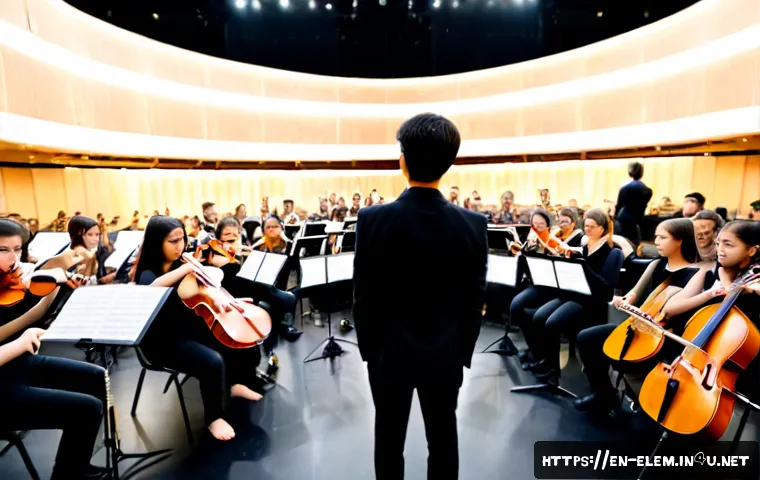
A beginner usually benefits most from individual lessons paired with a supportive school or local ensemble, while a progressing player may need regular rehearsals and clearer performance goals.
Audition-focused students often need both orchestra experience and private instruction that targets technique, repertoire, and preparation. The best program is not automatically the most prestigious one; it is the one that matches the player’s current level, schedule, budget, and reason for learning.
Compare teacher access, rehearsal demands, instrument costs, and placement expectations before paying an enrollment fee. Families should also account for travel, sheet music, maintenance, and concert commitments.
Adult learners may find community groups especially useful when the atmosphere and repertoire are welcoming. Exact tuition, audition rules, and rental fees vary by provider and location.
At a Glance
- Beginners: Look for private music lessons or a school ensemble with level-appropriate guidance and simple rehearsal expectations.
- Developing players: Combine individual feedback with consistent ensemble rehearsal to build reading, rhythm, and section skills.
- Audition-focused players: Prioritize accurate placement, demanding repertoire, teacher support, and realistic performance commitments.
| Program Format | Main Learning Focus | Teacher Access | Time and Cost Factors | Best Fit |
|---|---|---|---|---|
| Private lessons | Technique, posture, tone, individual practice | Direct, one-to-one feedback | Lesson pricing, travel, instrument upkeep | Beginners, players solving specific issues, audition preparation |
| School ensemble | Basic ensemble habits and group performance | Varies by school and class structure | School requirements, music, concerts, transportation | Students seeking a structured entry point |
| Youth orchestra | Section playing, repertoire, formal performance experience | Usually through conductors and sectional coaching | Enrollment fees, auditions, rehearsals, travel, concert needs | Intermediate or advanced students ready for commitment |
| Community orchestra | Social music-making and continued ensemble participation | Varies by group | Membership or ensemble fees, travel, instrument readiness | Adults returning to music and local players |
What Orchestra Learning Builds Beyond Playing an Instrument
Orchestra learning develops more than the ability to play notes correctly. It teaches a player how to contribute to a shared musical result, follow leadership, and adjust in real time. The strongest programs connect individual progress with ensemble responsibility.
The Difference Between Solo Practice and Ensemble Musicianship
Solo practice lets a musician focus on tone, fingering, bowing, breathing, or rhythm at a personal pace. In an orchestra, that player must also enter at the right moment, match the section, and respond to a conductor. A student may play a piece comfortably alone but still need time to learn how to count rests, watch cues, and blend with others.
Core Skills: Listening, Rhythm, Sight-Reading, and Section Awareness
Good ensemble rehearsal strengthens active listening. Players learn whether they carry the melody, support harmony, or follow another section’s rhythm. Sight-reading matters because new music may appear during the season. Section awareness matters just as much: a player should know when to lead, when to match, and when to play more quietly.
When Lessons and Rehearsals Should Work Together
Private instruction and orchestra rehearsal serve different purposes. A private teacher can identify technical habits that may be hard to address in a large group. Rehearsal shows whether those skills hold up while reading, listening, and performing under time limits. If the program includes challenging music, ask whether the student has enough individual support to prepare it without becoming overwhelmed.
Compare Lessons, School Ensembles, Youth Orchestras, and Community Groups
Choose a format by the learning outcome you need, not by the label alone. A well-run local ensemble may be a better fit than a higher-level group that places the player above their current reading or technical ability.
Private Instruction for Technique and Individual Feedback
Private music lessons are often the clearest route to personal feedback. They can help with instrument setup, foundational technique, practice habits, and difficult passages from orchestra music. When comparing local lesson providers, ask how they support ensemble players and whether they can help with auditions or assigned repertoire.
School and Youth Ensembles for Structured Rehearsal Experience
School orchestras can provide an accessible starting point, especially for students who need regular rehearsal built into their week. Youth orchestras may offer more focused repertoire and performance opportunities, but placement, auditions, schedules, and expectations vary. Confirm the ensemble’s level rather than assuming that its name describes the difficulty accurately.
Community Orchestras for Adult Learners and Returning Players
Community groups can give adults a practical path back into music. Some players want a social activity; others want the discipline of regular rehearsals and concerts. Before joining, ask how the group handles placement, whether players are expected to prepare independently, and whether the repertoire suits a returning musician.
Evaluate Costs and Value Before Joining a Program
The true cost of orchestra education is broader than tuition or an enrollment fee. A useful comparison includes every expense and every time commitment connected to participation.
Tuition, Registration, Sheet Music, Travel, and Concert-Related Expenses
Ask for a clear list of program fees before enrolling. Depending on the provider, costs may involve lessons, registration, music, travel to rehearsals, concert attendance requirements, and event-related items. A lower advertised tuition amount may not represent the full commitment if transportation or required activities create additional demands.
Instrument Rental, Maintenance, Insurance, and Upgrade Considerations
Instrument rental or purchase is another major decision point. A beginner may need a reliable rental option, while an advancing player may be considering maintenance work or an instrument upgrade. Confirm what is included, what repairs are handled separately, and whether insurance is relevant to the arrangement. Compare instrument options based on fit, condition, support, and the player’s present needs rather than pressure to upgrade too early.
When Paying for Additional Private Lessons May Add Meaningful Value
Additional lessons may be worthwhile when a player is preparing for an audition, struggling with assigned repertoire, or needs more targeted feedback than an ensemble can provide. They may be less useful if the player has no time to practice between sessions. The value comes from a workable plan: lesson guidance, focused home practice, and rehearsal application.
Prepare for Rehearsals, Auditions, and Performance Commitments
A program can be musically strong and still be a poor fit if its schedule or level creates constant stress. Ask practical questions before enrollment, particularly when auditions, long travel, or frequent performances are involved.
What to Ask About Placement, Auditions, and Repertoire Difficulty
Ask whether placement is based on an audition, a teacher recommendation, prior experience, or a first-rehearsal assessment. Find out what music may be required and whether practice materials are provided. It is also reasonable to ask how a program supports players who are close to, but not fully at, the expected level.

A Realistic Weekly Practice and Rehearsal Plan
A sustainable schedule leaves room for individual practice, rehearsal attendance, travel, school or work, and rest. The goal is not to fill every free hour. A player should have enough time to prepare difficult passages before rehearsal and review feedback afterward. If the schedule only works under ideal conditions, it may not be sustainable.
Mistakes That Can Make an Otherwise Good Program a Poor Fit
A common mistake is choosing an ensemble mainly for its reputation while ignoring level placement. Other problems include overlooking travel, assuming concert participation is optional, or renting an unsuitable instrument without asking about maintenance. Another mistake is joining a group that requires reading or technical skills the player has not yet built. A better next step may be lessons, a school ensemble, or a more accessible community group.
Choose a Path Based on the Player’s Goals
Beginners Building Confidence and Basic Ensemble Habits
Beginners usually need clear instruction, a playable instrument, and a group that does not move beyond their reading level too quickly. Private lessons can establish foundations, while a beginner-friendly ensemble introduces counting, listening, and following a conductor.
Intermediate Students Seeking Stronger Section and Performance Skills
Intermediate players often benefit from regular ensemble rehearsal plus lessons that address specific gaps. A youth orchestra or stronger school ensemble may help build section awareness and performance confidence, provided the player can prepare the music consistently.
Advanced Players Preparing for Auditions or Conservatory-Focused Study
Advanced players may need a program with challenging repertoire, meaningful performance opportunities, and accurate audition guidance. Teacher quality and placement matter greatly here. Ask what support is available for audition materials, technical development, and repertoire preparation rather than relying on broad program claims.
Adults Returning to Music After a Long Break
Adults returning after a long break should look for an encouraging pace and transparent expectations. Community orchestras and local ensembles may be especially practical when they welcome varied experience levels. A few private lessons can also help restore comfort with the instrument before joining a full group.
Choosing the Right Orchestra Program: Decision Criteria and Comparison Summary
Use these checks before making a final choice:
- Level placement: Is the reading, technique, and repertoire difficulty realistic for the player now?
- Teacher support: Is individual feedback available when it is needed?
- Schedule: Can the player attend rehearsals, practice independently, and meet concert commitments?
- Cost transparency: Are tuition, ensemble fees, music, travel, instrument rental, and maintenance questions clearly answered?
- Performance goals: Does the program offer the kind of participation the player actually wants?
Before paying an enrollment fee, compare local lesson providers, ensemble fees, and instrument rental or purchase options using the same checklist. Official program pages and direct staff questions are the best places to confirm current conditions.
Final Thoughts
The right orchestra program should help a player improve without making music feel unmanageable. Individual lessons build personal skills, while rehearsals build the habits needed to perform with others. A careful comparison of level, schedule, costs, and support can prevent a poor-fit enrollment. Start with the player’s goal, then choose the format that makes steady participation realistic.
Useful Information to Keep in Mind
Ask for the full commitment: Request details about rehearsals, performances, attendance expectations, audition procedures, and extra expenses. Check the instrument early: A suitable, well-maintained instrument supports progress more than an early upgrade. Consider a trial point: If available, use an introductory lesson, observation, or placement process to assess fit before committing.
Important Notes
Tuition, private lesson pricing, audition requirements, scholarship availability, rehearsal schedules, ensemble size, and instrument-rental fees differ by location and provider. Teaching quality, repertoire level, and performance opportunities should be confirmed directly with each program. Participation requirements can also differ between school orchestras, youth orchestras, private studios, and community ensembles.
Frequently Asked Questions
Q1. Is private music instruction necessary before joining an orchestra?
A1. Not always. Some school or beginner-level ensembles are designed for players who are still learning. However, private instruction can be useful for building technique, solving individual problems, and preparing difficult music. The best choice depends on the player’s current skills and the ensemble’s expectations.
Q2. How much should families budget for orchestra lessons, rehearsals, and instrument costs?
A2. There is no single amount because pricing varies by provider and location. Build a complete list that includes lesson tuition, ensemble or registration fees, instrument rental or purchase, maintenance, music, transportation, and concert-related commitments. Ask each provider for current details before enrolling.
Q3. What is the best orchestra option for an adult beginner or returning player?
A3. A welcoming community ensemble may be a good option for adults who want regular group music-making, while private lessons can rebuild comfort and technique. The best fit depends on the group’s placement process, repertoire difficulty, rehearsal schedule, and how much independent preparation is expected.