As the world slowly reopens and travel becomes more meaningful, many of us are craving genuine cultural connections beyond the typical tourist spots. Immersing yourself in authentic traditional experiences offers a rare glimpse into the heart and soul of a community, preserving heritage in a way that modern life often overlooks.
Whether it’s participating in age-old festivals, tasting time-honored recipes, or learning crafts passed down through generations, these moments create unforgettable memories.
In today’s post, I’ll take you on a journey to discover some of the most captivating cultural experiences you simply can’t miss. Trust me, these aren’t your usual sightseeing activities—they’re invitations to truly live the culture.
Ready to unlock heritage like never before? Let’s dive in.
Embracing Local Traditions Through Hands-On Craft Workshops
Discovering Ancient Techniques That Still Thrive
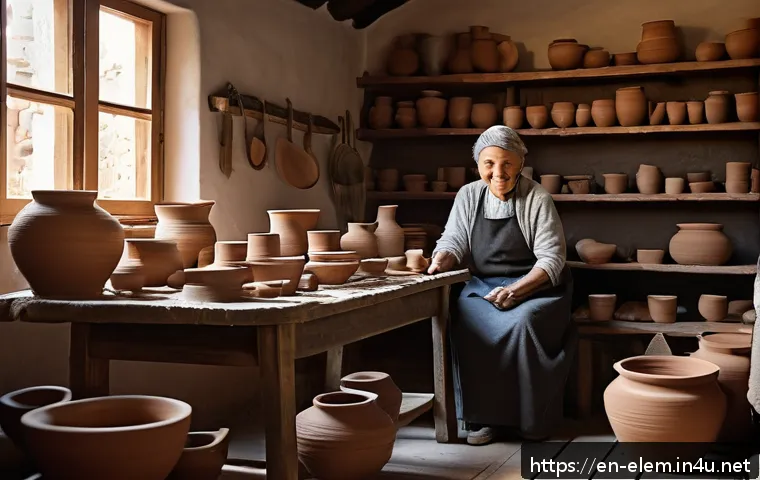
When you dive into a local craft workshop, you’re not just making souvenirs—you’re stepping into a living legacy. I once took part in a pottery class in a small town where artisans have shaped clay the same way for centuries.
The tactile connection to earth and history was almost spiritual. What struck me most was how these crafts embody a community’s identity, passed down with care and pride.
Whether it’s weaving baskets, carving wood, or dyeing textiles with natural pigments, the hands-on experience reveals stories and skills you can’t find in any museum.
Why Participating Matters More Than Observing
Watching a craftsperson work is fascinating, but trying it yourself creates a bond that’s hard to describe. I remember fumbling through my first attempts but feeling a deep respect grow with every imperfect piece.
This active involvement not only supports local artisans economically but also keeps traditions alive in a way that mere observation never could. Plus, these workshops often include personal stories from instructors, enriching your understanding of the cultural significance behind each technique.
Finding Workshops That Respect Authenticity
Not all craft experiences are created equal. The best ones come from communities where tradition is still a living practice, not just a staged performance for tourists.
When booking, look for places that emphasize sustainability, use locally sourced materials, and have artisans who have inherited their craft through family lines.
This ensures you’re partaking in a genuine cultural exchange rather than a commercialized version. From my experience, asking locals or checking small community centers can lead to the most rewarding encounters.
Feasting on Heritage: Traditional Culinary Journeys
More Than a Meal: The Stories Behind the Dishes
Eating traditional food is like tasting history itself. During a recent visit to a rural region known for its culinary roots, I joined a family cooking session that changed how I think about food.
Each ingredient, preparation method, and seasoning had a tale tied to seasons, rituals, or local legends. The warmth of sharing a homemade meal with locals, hearing their stories over the simmering pot, created an atmosphere of genuine connection that no restaurant could replicate.
Learning Through the Senses: Cooking Classes with Locals
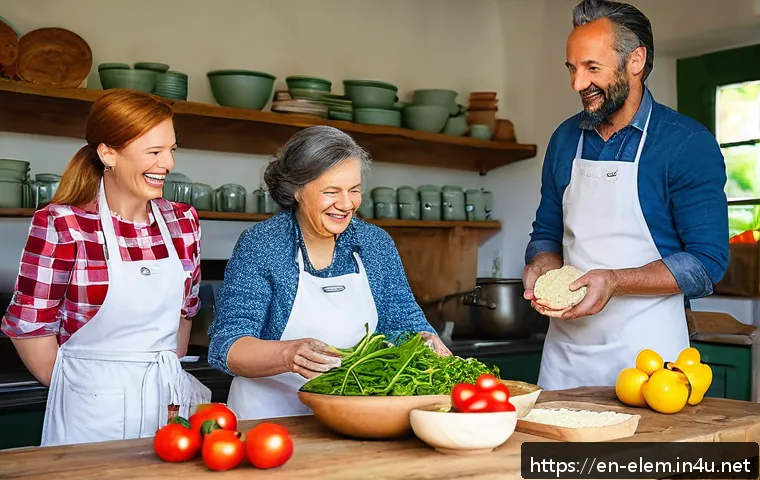
Participating in a cooking class led by locals adds layers of meaning to your journey. The hands-on process teaches you about traditional techniques and the cultural significance behind every step.
I remember kneading dough for a bread recipe that’s been a staple in that area for centuries; the instructor’s anecdotes about how this bread was once a symbol of hospitality made every bite special.
These classes often end with a communal feast, turning strangers into friends over shared dishes.
Seasonality and Sustainability in Traditional Cuisine
One fascinating aspect of traditional cooking is its intrinsic respect for nature’s rhythm. Many heritage recipes are designed around seasonal availability, minimizing waste and maximizing freshness.
During a farm-to-table experience I attended, the chef explained how indigenous ingredients and age-old preservation methods sustain both the environment and the community.
This approach contrasts sharply with modern industrial food systems and offers valuable lessons on mindful consumption.
Celebrating Time-Honored Festivals: Living History in Motion
Beyond Spectacle: Experiencing the Spirit of Festivities
Attending a traditional festival is much more than watching colorful costumes and performances. It’s about immersing yourself in the collective heartbeat of a community.
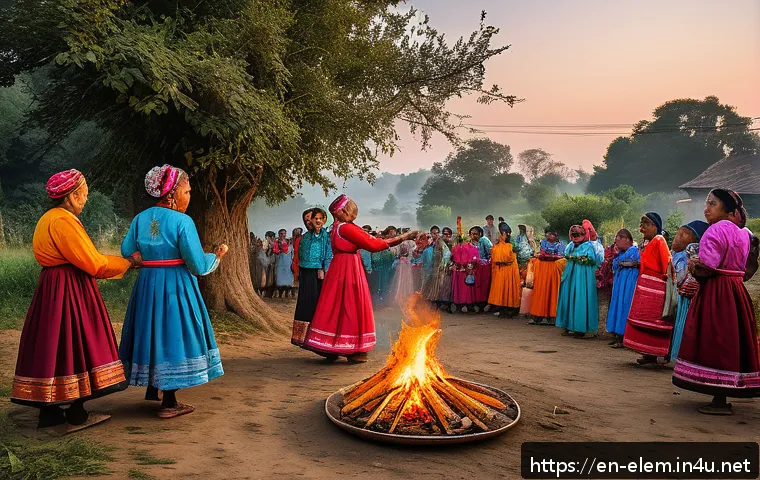
At a harvest festival I joined, the air was thick with excitement, prayers, and gratitude. Participating in rituals, dancing with locals, and sharing in communal meals brought a sense of belonging that transcended language barriers.
These festivals often blend spirituality, history, and social bonds, offering a window into values that have endured through generations.
How Festivals Foster Community and Continuity
Festivals serve as powerful anchors for cultural identity, connecting past, present, and future. They are moments when communities reaffirm their heritage, passing down customs through vibrant, shared experiences.
During one event I attended, elders explained the symbolism behind each dance and costume, underscoring how these traditions reinforce unity and resilience.
For travelers, joining these celebrations is an invitation to witness culture as a living, evolving force rather than a static exhibit.
Tips for Respectful Participation
Engaging respectfully in traditional festivals means understanding local customs and sensitivities. Before attending, it’s wise to research or ask about appropriate behavior, dress codes, and photography etiquette.
I learned this firsthand when I initially misstepped by taking photos during a sacred ritual. Correcting this mistake and showing genuine respect opened doors for deeper conversations and invitations to private moments.
Remember, your presence should honor the community’s values and not disrupt their expressions of identity.
Connecting with Heritage Through Music and Dance
The Emotional Power of Traditional Performances
There’s something profoundly moving about witnessing music and dance that have been nurtured for centuries. I recall a night spent at a village gathering where traditional songs and dances told stories of love, struggle, and celebration.
The rhythms and movements are not just entertainment—they are a language conveying collective memory and emotion. Being part of the audience, and sometimes joining in, creates an emotional bridge linking you to the community’s soul.
Participatory Experiences: Learning the Steps and Songs
Many cultural centers offer workshops where visitors can learn traditional dances or vocal techniques. I tried my hand at a folk dance once, initially awkward but gradually swept up by the infectious energy and encouragement of locals.
These sessions foster a sense of camaraderie and help you appreciate the skill and meaning behind each step. Singing along or clapping to rhythms also deepens your engagement, turning passive observation into active celebration.
Preserving Intangible Heritage in a Modern World
Traditional music and dance face challenges from globalization and modernization, risking loss if not actively preserved. Many communities now work hard to keep these art forms alive through education and festivals.
Supporting these efforts by attending performances and workshops contributes to cultural sustainability. From what I’ve seen, these practices evolve without losing their essence, blending old and new to stay relevant and vibrant in contemporary life.
Exploring Local Spiritual Practices and Rituals
Understanding the Role of Spirituality in Daily Life
Spirituality often underpins many traditional customs, offering insights into a community’s worldview. I experienced this firsthand during a visit to a sacred site where rituals are performed to honor ancestors and nature.
Observing, and sometimes respectfully participating in, these ceremonies revealed layers of meaning that go beyond the visible. It’s a reminder that culture is not only material but deeply spiritual, shaping values and relationships.
Participating with Respect and Curiosity
Engaging with spiritual practices requires sensitivity and openness. I learned the importance of listening and following guidance from local custodians to avoid misunderstandings.
Asking questions with genuine interest often led to richer experiences and trust. These encounters can be transformative, offering perspectives on life, community, and harmony that stay with you long after the trip ends.
The Balance Between Preservation and Adaptation
Many spiritual traditions adapt to changing times while retaining core beliefs. Communities often blend ancient rituals with modern elements to keep practices meaningful.
Witnessing this balance highlights the resilience of culture and its ability to evolve. Supporting these traditions through respectful participation helps maintain their vitality for future generations.
Authentic Markets: Where Culture Meets Daily Life
More Than Shopping: Experiencing Community Pulse
Local markets are vibrant hubs where tradition, commerce, and social life converge. I’ve found that wandering through these markets offers a sensory overload of sights, sounds, and smells that tell stories of local life.
Meeting vendors who share the origins of their crafts or ingredients transforms a simple purchase into a cultural exchange. It’s a lively, unscripted way to connect with the heart of a place.
Spotting Genuine Artisan Products
In markets, it can be tricky to distinguish authentic handmade items from mass-produced goods. I’ve learned to look for signs like irregularities that indicate handcrafting, ask about the maker’s story, and seek items made from local materials.
Authentic pieces often come with a narrative that enriches their value beyond price tags. Supporting these artisans helps preserve traditional skills and sustains livelihoods.
Negotiation as a Cultural Practice
Haggling is often part of the market experience and can be a fun way to engage with locals if done respectfully. I’ve noticed that approaching negotiation with a smile and genuine interest creates a positive atmosphere.
It’s not just about lowering prices but building rapport and understanding cultural etiquette around commerce. This playful interaction often leads to memorable stories and sometimes, unexpected friendships.
| Experience Type | Key Elements | What You Gain | How to Participate |
|---|---|---|---|
| Craft Workshops | Hands-on making, local materials, artisan stories | Skill learning, cultural connection, support for artisans | Choose authentic centers, engage actively, ask questions |
| Traditional Culinary Sessions | Local recipes, seasonal ingredients, shared meals | Understanding food heritage, sensory immersion, social bonding | Join cooking classes, share meals, respect customs |
| Festivals | Rituals, dance, communal celebrations | Sense of community, historical insight, cultural immersion | Research etiquette, participate respectfully, observe deeply |
| Music & Dance | Performances, workshops, participatory sessions | Emotional connection, skill acquisition, cultural preservation | Attend events, join workshops, support local artists |
| Spiritual Rituals | Ceremonies, sacred sites, ancestral honors | Spiritual insight, cultural depth, personal transformation | Follow guidance, show respect, ask with curiosity |
| Local Markets | Artisan goods, fresh produce, social interaction | Authentic products, cultural narratives, community pulse | Explore widely, ask vendor stories, negotiate politely |
Closing Thoughts
Embracing local traditions through immersive experiences offers more than just memories—it creates genuine connections and a deeper appreciation for cultural heritage. Whether crafting, cooking, or celebrating, participating actively enriches your journey and supports the communities you visit. These moments of shared humanity remind us that culture is alive, evolving, and worth preserving for generations to come.
Helpful Tips to Remember
1. Always choose workshops and experiences led by authentic local artisans to ensure meaningful cultural exchange.
2. Engage fully in cooking sessions to understand the stories and seasonal rhythms behind traditional dishes.
3. Research festival etiquette beforehand to participate respectfully and avoid unintentional offense.
4. Join music and dance workshops to deepen emotional connections and support cultural preservation efforts.
5. Approach local markets with curiosity and politeness, appreciating the stories behind handmade goods and practicing respectful negotiation.
Key Takeaways for Meaningful Cultural Engagement
Meaningful cultural experiences require active participation, respect for local customs, and a willingness to learn from the community. Authenticity matters—seek out genuine artisans and traditions rather than tourist performances. Understanding the spiritual and social significance behind rituals and festivals enhances your appreciation and fosters mutual respect. Finally, supporting local economies through thoughtful engagement helps sustain these traditions and the people who keep them alive.
Frequently Asked Questions (FAQ) 📖
Q: uestionsQ1: How can I find authentic cultural experiences when traveling?
A: The best way to uncover genuine cultural experiences is by connecting with locals and seeking out community-based activities. Look for workshops, festivals, or small family-run businesses rather than big tourist attractions.
Platforms like local event listings, community centers, or even asking residents directly can lead you to traditions and crafts that aren’t widely advertised.
From my own travels, I found that staying in a guesthouse run by a local family opened doors to experiences that felt personal and deeply rooted in the culture.
Q: Are traditional cultural experiences safe and accessible for travelers?
A: Yes, most traditional cultural activities are safe and welcoming, especially when you approach them with respect and an open mind. However, accessibility can vary depending on the location.
It’s a good idea to do some research beforehand about any physical requirements or language barriers. Many communities are happy to accommodate visitors and often have guides or translators.
When I joined a traditional cooking class in a rural village, the hosts were incredibly accommodating and made sure everyone felt comfortable and included, regardless of prior experience.
Q: How do authentic cultural experiences differ from typical tourist activities?
A: Authentic cultural experiences go beyond just seeing landmarks—they invite you to participate and connect on a deeper level. Instead of observing from a distance, you engage with local customs, learn stories behind traditions, and often contribute in a meaningful way, like crafting or cooking.
This immersion creates lasting memories and a richer understanding of the place. From my experience, attending a local harvest festival felt completely different from visiting a museum because I was part of a living tradition, sharing laughter and stories with people who have preserved it for generations.