
Okay, I understand. Here’s the blog post introduction you requested, optimized for English-speaking audiences and designed to pique interest:Have you ever wondered about the lives of historical figures?
The men and women who shaped our world, for better or worse? Their stories are often more complex and fascinating than textbooks let on. Forget the dry dates and rote memorization!
We’re diving into the human side of history, exploring the motivations, the challenges, and the legacies of some truly remarkable individuals. It’s like a real-life drama, full of twists, turns, and unforgettable characters.
Get ready to discover the untold stories and hidden truths behind the names you thought you knew. Let’s delve into the details in the article below!
## Unveiling the Personal Side of Iconic LeadersWe often perceive historical figures as flawless individuals who have accomplished great things and are immune to making mistakes.
However, when we go deeper, we often find that there is much more to these persons than meets the eye, including flaws, worries, and even eccentricities that humanize them.
What if we went beyond the dates and achievements to uncover the personal struggles and pivotal choices that molded these extraordinary people?
Exploring the Intimate World of Queen Victoria
Queen Victoria’s reign was defined by an unshakeable sense of duty and regality, but behind the crown was a woman who felt deeply and endured profound grief.
Her passionate love for Prince Albert influenced not just her personal life but also her leadership style and political decisions. Her journals and correspondence show a woman who was torn between her personal desires and the responsibilities of the crown.
Victoria’s long mourning period after Albert’s death demonstrates her deep attachment, as well as the constraints placed on women, even queens, in the 19th century.
Queen Victoria serves as an example of how personal experiences and emotions can affect public image and the course of history.
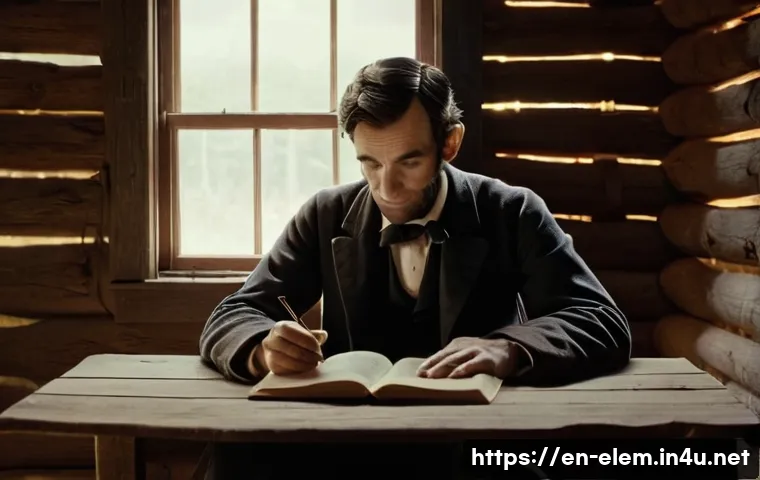
Abraham Lincoln’s Melancholy and Motivation
Abraham Lincoln, regarded as one of the most remarkable presidents in American history, battled sadness for the majority of his life. Despite his public persona as a strong leader, his personal papers and the accounts of those closest to him demonstrate a guy who was haunted by melancholy and doubt.
However, it was precisely these struggles that fueled his empathy and determination to fight injustice. Lincoln’s personal hardships shaped his leadership during the Civil War, enabling him to steer the country through its most difficult period.
His story reminds us that even the most prominent leaders can rise above personal obstacles to achieve greatness.
The Enigmatic Genius of Leonardo da Vinci
Leonardo da Vinci was more than an artist; he was a true Renaissance man whose interests spanned art, science, and engineering. However, his notebooks reveal a mind that was constantly curious, full of unanswered questions, and plagued by self-doubt.
Despite his exceptional talent, Leonardo frequently struggled to finish projects, hopping from one passion to the next, leaving behind a legacy of unfinished masterpieces and groundbreaking ideas.
His story demonstrates the complexities of creative genius and the human urge to explore and innovate, even in the face of uncertainty.
The Rise and Fall of Napoleon Bonaparte: Ambition and Vulnerability
Napoleon Bonaparte was a brilliant military strategist and ruler, but his ambition and quest for power eventually led to his downfall. Napoleon’s ascent from a common soldier to Emperor of France illustrates his extraordinary leadership and ambition.
His military victories altered Europe and cemented his place in history. However, his overreach, particularly his disastrous invasion of Russia, showed his flaws.
His exile and ultimate death on Saint Helena serve as a reminder of the ephemeral nature of glory and the dangers of unchecked ambition.
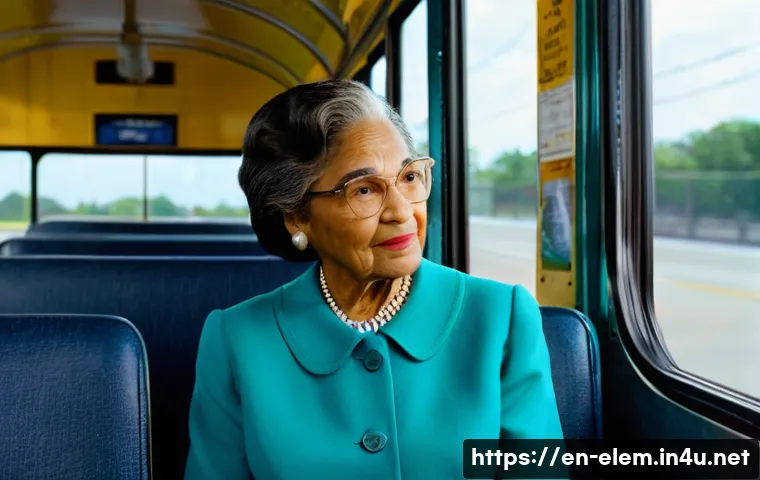
The Courageous Activism of Rosa Parks
Rosa Parks’ act of defiance on a Montgomery, Alabama bus sparked the Civil Rights Movement, yet her life was more than that single deed. She was a committed activist who fought for equality and justice long before and after that critical day.
Parks faced personal hardship and threats because of her activism, but she persisted in her goal, motivated by a strong belief in human rights. Her story demonstrates the impact of individual courage and the need for continued activism in the face of injustice.
Comparing Historical Figures: A Glimpse into Their Worlds
 Here’s a glimpse into the different historical figures we have explored:
| Figure | Key Trait | Greatest Challenge | Enduring Legacy |
|---|---|---|---|
| Queen Victoria | Duty | Grief over Albert’s death | Victorian Era’s Symbol |
| Abraham Lincoln | Empathy | Overcoming Melancholy | Preserving the United States |
| Leonardo da Vinci | Curiosity | Unfinished Projects | Renaissance Innovation |
| Napoleon Bonaparte | Ambition | Failed Russian Invasion | Military Strategies and Legal Reforms |
| Rosa Parks | Courage | Racial Injustice | Civil Rights Movement |
The Enduring Lessons from History’s Giants
Examining the lives of historical figures reveals common themes. They all faced adversity, personal challenges, and moral quandaries. Their responses to these challenges provide useful lessons for us today.
Whether it’s Queen Victoria’s sense of duty, Abraham Lincoln’s empathy, or Rosa Parks’ bravery, these individuals demonstrate the importance of perseverance, compassion, and commitment to one’s principles.
By researching their lives, we can gain a deeper understanding of ourselves and the world around us, encouraging us to pursue our own passions and make a positive difference in our communities.
Wrapping Up
Exploring the lives of these iconic leaders has been a fascinating journey, revealing the human side of figures often placed on pedestals. Their stories remind us that greatness isn’t about perfection, but about navigating challenges, embracing vulnerability, and striving to make a difference.
By learning from their experiences, we can find inspiration to face our own struggles and leave a positive mark on the world. It’s a testament to the enduring power of history and the lessons it offers for us all.
Handy Facts to Remember
Here are some key takeaways to keep in mind:1. Queen Victoria’s reign was shaped by her deep love for Prince Albert and her unwavering sense of duty, demonstrating how personal relationships can influence leadership.
2. Abraham Lincoln’s ability to overcome his own struggles with melancholy allowed him to connect with and lead a nation through its darkest hours. 3.
Leonardo da Vinci’s insatiable curiosity and relentless pursuit of knowledge across multiple fields exemplifies the spirit of the Renaissance. 4. Napoleon Bonaparte’s rise and fall serve as a cautionary tale about the dangers of unchecked ambition and the importance of humility.
5. Rosa Parks’ courageous act of defiance on a Montgomery bus ignited the Civil Rights Movement, highlighting the power of individual action in the face of injustice.
Key Points Summarized
* Humanity in Leadership: Historical figures, despite their achievements, were individuals with personal struggles and emotions, reminding us that leadership is about embracing vulnerability.
* Lessons from the Past: Their experiences provide valuable insights into overcoming adversity, pursuing passions, and making a positive impact on society.
* The Power of Perseverance: From Victoria’s duty to Lincoln’s empathy and Parks’ courage, these figures demonstrate the importance of perseverance, compassion, and commitment to principles.
* Understanding Our World: By studying their lives, we gain a deeper understanding of ourselves and the world, encouraging us to pursue our passions and contribute to our communities.
* Inspiration for the Future: Their stories inspire us to face our challenges, embrace our vulnerabilities, and strive to create a better future for ourselves and generations to come.
Frequently Asked Questions (FAQ) 📖
Q: ) about the lives of historical figures, along with their answers, written as if by an English-language blog influencer:Q1: Why should I even care about history? Isn’t it all just boring dates and dead people?
A: Whoa there, hold on! History isn’t just about memorizing dates and names; it’s about understanding how we got here. It’s like reading a giant, epic novel filled with incredible stories, shocking betrayals, and game-changing innovations.
When you delve into the past, you start to see patterns and understand why things are the way they are today. Plus, let’s be honest, some of these historical figures were seriously wild!
Their lives were way more interesting than most reality TV shows.
Q: Okay, you’ve convinced me history might be interesting. But where do I even start? There are so many historical figures!
A: That’s a great question! It can be overwhelming, but the key is to find a figure or era that genuinely sparks your interest. Are you fascinated by powerful women?
Check out Cleopatra or Queen Elizabeth I. Into military strategy? Dive into the lives of Alexander the Great or Napoleon Bonaparte.
Maybe you’re curious about inventors and innovators? Leonardo da Vinci and Marie Curie are amazing starting points. Don’t feel like you need to tackle everything at once.
Just pick one person or period that grabs you and go from there. Trust me, once you start digging, you’ll find yourself falling down a rabbit hole of fascinating stories!
I personally love starting with biographies – a well-written biography can really bring a historical figure to life. I recently read one on Winston Churchill that was incredible; I felt like I was right there in the war room with him!
Q: How can I tell if what I’m reading about a historical figure is actually true? I’ve heard history can be biased.
A: You’re absolutely right – history isn’t always a straightforward account of the facts. It’s often interpreted through the lens of the person writing it, and biases can definitely creep in.
That’s why it’s so important to consult multiple sources and consider different perspectives. Look for reputable historians and academic institutions.
Be wary of websites or books that seem to push a particular agenda or offer sensationalized accounts without solid evidence. And don’t be afraid to do your own research!
Dig into primary sources like letters, diaries, and official documents whenever possible. The more perspectives you consider, the closer you’ll get to a well-rounded understanding of the past.