Hey everyone! As someone who spends a *lot* of time exploring the incredible natural beauty our world offers, I can tell you there’s nothing quite like stepping away from the daily grind and truly immersing yourself in the wild.
That magnetic pull of a vast forest, the calming rhythm of ocean waves, or the sheer majesty of a mountain range isn’t just a pretty picture; it’s a deeply recharging, soul-satisfying experience.
Lately, I’ve seen a huge trend toward more meaningful ecological encounters – we’re not just seeking quick photo opportunities anymore. People are craving genuine connections, wanting to understand local ecosystems, appreciate biodiversity, and even contribute to conservation efforts.
It’s all about making sustainable choices, rediscovering our innate connection to the planet, and finding adventures that truly make a difference. These aren’t just trips; they’re transformative journeys that challenge us, inspire us, and remind us of the preciousness of our natural world.
In a world that often feels overwhelmingly digital, these moments of authentic connection with nature are more vital than ever for our well-being. Ready to uncover the secrets to truly transformative outdoor adventures?
Let’s explore it right now!
Reconnecting with Nature’s Rhythm
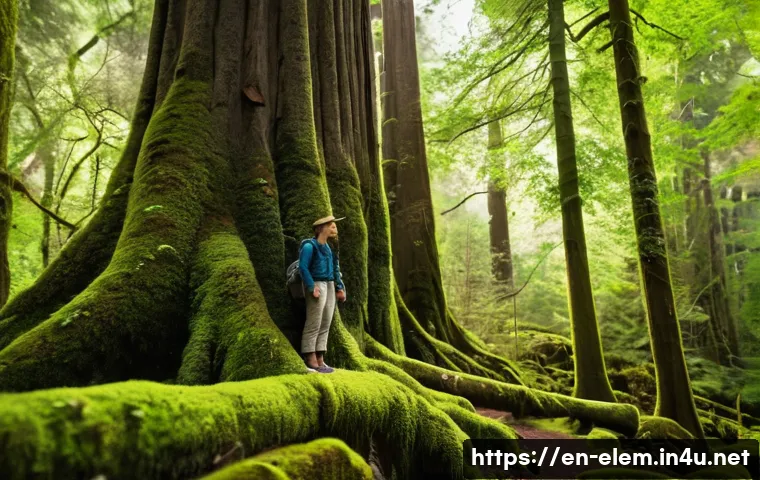
There’s this incredible feeling, isn’t there, when you finally step away from the hum of city life and into the quiet embrace of the natural world? I mean, really step away. Not just for a quick photo op, but to truly sink into it. I’ve found that my most profound adventures aren’t about conquering a peak or hitting a record time; they’re about syncing up with the earth’s own pulse. It’s like hitting a reset button for your entire being. When you allow yourself to slow down and observe, really *observe*, the way a river flows, or how the wind whispers through the trees, you start to feel a deep, almost ancient connection. This isn’t just some woo-woo concept; it’s a genuine physiological and psychological shift that happens when we allow our senses to be filled with nature rather than notifications. I remember a trip last year to the Pacific Northwest, where I spent days just walking through old-growth forests. The sheer scale of the trees, the damp, earthy smell, the way the light filtered down… it was profoundly humbling and incredibly rejuvenating. That sustained immersion is where the magic truly happens, pulling you out of your head and into the present moment, reminding you of the bigger picture.
Finding Your Flow in Forest Bathing
Forest bathing, or “Shinrin-yoku” as it’s known in Japan, isn’t about taking a literal bath in the woods. It’s about consciously immersing yourself in the atmosphere of the forest. And trust me, it’s a game-changer. I first tried this on a guided tour in British Columbia, and initially, I felt a bit silly just… walking slowly. But as the guide encouraged us to notice the textures of bark, the varied greens of moss, the calls of unseen birds, something shifted. My usual frantic internal monologue quieted. I felt a sense of peace wash over me that I rarely experience in my daily life. The air felt cleaner, my lungs expanded more fully, and a gentle calm permeated my entire body. It’s not about hiking; it’s about being. You engage all five senses: smelling the damp earth, hearing the rustle of leaves, feeling the rough bark, seeing the dappled sunlight, and even tasting the fresh air. This intentional presence drastically reduces stress hormones and boosts your mood. It’s a practice I’ve since integrated into many of my outdoor excursions, knowing that even a short, mindful walk can significantly enhance my well-being and connection to the environment. It’s a simple yet powerful way to experience the healing power of nature firsthand.
The Power of Slow Travel in Wild Spaces
In our fast-paced world, the idea of “slow travel” might sound counterintuitive, especially when we want to see as much as possible. But when it comes to experiencing wild spaces, slow travel isn’t just a preference; it’s a necessity for true immersion. I’ve made the mistake of rushing through national parks, ticking off viewpoints like a checklist, only to realize I hadn’t really *experienced* anything beyond the surface. Now, I prioritize spending more time in fewer places. Instead of hopping from one landmark to another, I might dedicate an entire week to exploring a single region, allowing myself to truly get lost (in the best way possible!) on lesser-known trails, discover hidden waterfalls, or simply sit by a lake and watch the wildlife. This approach not only reduces travel stress but also deepens your understanding and appreciation of the local ecosystem. You notice the subtle changes in light throughout the day, the distinct chirps of different bird species, the patterns of animal tracks. It’s about quality over quantity, savoring each moment rather than rushing to the next. This slower pace also often leads to more sustainable choices, as you’re less reliant on rapid transport and more likely to support local, small businesses that cater to longer-stay visitors. It transforms a quick sightseeing trip into a profound journey of discovery.
Mastering the Art of Mindful Exploration
You know, it’s easy to walk through a beautiful landscape with your mind still buzzing with emails or the grocery list. I’ve been there countless times. But the real magic of outdoor adventures unfolds when you intentionally shift your focus from your internal chatter to the external world around you. This isn’t just about putting your phone away—though that’s a huge first step! It’s about cultivating a heightened awareness, a deliberate engagement with every sight, sound, and sensation. I once hiked a trail in the Scottish Highlands, a place I’d dreamed of visiting forever. Halfway through, I caught myself planning my next blog post. I literally stopped, took a deep breath, and made a conscious decision to just *be there*. From that moment on, the wind felt colder, the heather looked more vibrant, and the distant cry of a curlew became a poignant melody. It completely transformed the experience from a physical exertion into a profound, almost spiritual connection with the rugged beauty of the landscape. Mindful exploration isn’t just about relaxation; it’s about enriching your adventures exponentially, making every moment count and etching those memories deeper into your soul.
Sensory Awakening: Seeing, Hearing, Feeling the Wild
To truly connect with nature, we need to wake up our senses, which often lie dormant in our urbanized lives. I always challenge myself on every trip to pick out something new with each sense. What’s the specific smell of damp earth after a rain shower in a Californian redwood forest? How many different shades of green can I count in an Irish landscape? What does the wind *sound* like as it moves through different types of trees—a gentle sigh in pines, a rustle in deciduous leaves? What’s the feeling of cool, mossy rock under my hand, or the warmth of sun-baked sand between my toes on an Australian beach? I’ve found that by deliberately engaging my senses, the natural world becomes infinitely richer and more vibrant. It’s like turning up the volume and increasing the resolution on life itself. This practice of sensory awakening not only deepens your appreciation for the environment but also hones your observational skills, making you more attuned to the subtle shifts and delicate intricacies of the ecosystems you’re exploring. It allows you to move beyond simply seeing a landscape to truly *experiencing* it with your entire being.
Digital Detox: Unplugging to Truly Connect
Let’s be honest, it’s incredibly tempting to pull out your phone every five minutes to snap a photo, check your messages, or quickly look up something. I get it; FOMO is real! But I’ve learned firsthand that constant digital connection often acts as a barrier to genuine natural immersion. I now try to implement a strict “digital detox” on my more immersive trips. This means leaving my phone in my pack, or even better, back at my accommodation, only bringing it out for emergencies or designated photo moments. The initial withdrawal can feel a bit strange—you might even feel a phantom vibration! But give it an hour or two, and you’ll start to notice the profound difference. Your eyes will naturally lift from a screen to the horizon, your ears will pick up the subtle sounds of wildlife, and your mind will have space to wander and wonder without interruption. This isn’t about shunning technology entirely; it’s about using it consciously and sparingly. I’ve had some of my most memorable moments, like spotting a rare bird or having an unexpected conversation with a fellow traveler, precisely because my attention wasn’t diverted by a glowing screen. Unplugging isn’t just a trend; it’s a vital tool for reclaiming your presence and truly connecting with both nature and yourself.
Sustainable Adventures: Treading Lightly, Living Deeply
The beauty of our natural world is truly breathtaking, but it’s also incredibly fragile. As someone who’s had the privilege of witnessing some of Earth’s most pristine landscapes, I feel a deep responsibility to ensure my adventures contribute positively, or at the very least, cause no harm. It’s not just about enjoying nature; it’s about being a conscious steward. This mindset has fundamentally changed how I plan my trips, from the destinations I choose to the gear I pack and the businesses I support. Sustainable travel isn’t a sacrifice; it’s an enhancement, adding a layer of purpose and integrity to every experience. When you actively seek out ways to minimize your environmental footprint and support local communities, you’re not just taking a trip; you’re participating in a global movement to protect our planet for future generations. I’ve learned that the most rewarding experiences often come from making ethical choices, knowing that your presence is helping to preserve the very beauty you’ve come to admire. It’s about recognizing that our playground is precious and treating it with the utmost respect.
Choosing Eco-Friendly Accommodations
When I’m planning my adventures, one of the first things I look into is the accommodation. It might seem like a small detail, but where you lay your head at night can have a significant impact. I actively search for hotels, guesthouses, or eco-lodges that prioritize sustainability. This means looking for places that use renewable energy, have robust recycling programs, conserve water, source local food, and ideally, are involved in community conservation efforts. On a recent trip to Costa Rica, I stayed at an incredible eco-lodge that not only composted all its organic waste but also had a reforestation program on its property, planting native trees that attracted local wildlife. Knowing my stay was directly contributing to these efforts made the experience so much richer. It wasn’t just a comfortable room; it was part of a larger, positive mission. Always check their website or ask directly about their environmental policies. You’ll often find that these places offer a more authentic, peaceful, and often more beautiful experience, truly integrating with the natural surroundings rather than imposing upon them. It’s a win-win for both you and the planet, allowing you to sleep soundly knowing you’re making a responsible choice.
Minimizing Your Footprint: Leave No Trace Principles
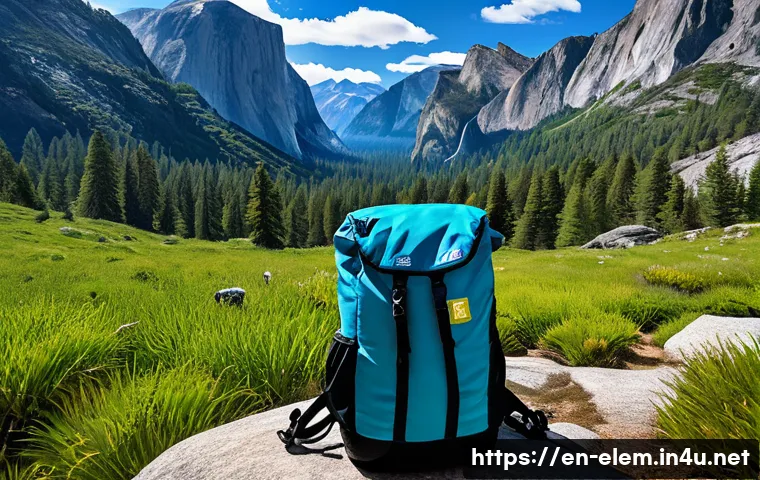
The “Leave No Trace” principles are basically my gospel when I’m out in the wild. It’s a set of seven guidelines that help us minimize our impact and preserve natural areas. I remember my early hiking days, oblivious to how even small actions, like feeding wildlife or straying off-trail, could have ripple effects. Now, I’m super diligent about planning ahead and preparing, traveling and camping on durable surfaces, disposing of waste properly (pack it in, pack it out, always!), leaving what I find, minimizing campfire impacts, respecting wildlife, and being considerate of other visitors. For example, when I backpacked through parts of Yosemite, I made sure to carry out *everything* I brought in, including all food scraps and even toilet paper. It might seem like extra effort, but seeing a pristine wilderness untouched by human litter is its own reward. These aren’t just rules; they’re ethical responsibilities that allow everyone, including future generations, to enjoy the same unspoiled beauty. I’ve found that internalizing these principles makes you a much more observant and respectful adventurer, fostering a deeper connection to the very places you cherish. It ensures that the only thing you leave behind are footprints, and the only thing you take are memories and photographs.
| Eco-Friendly Travel Essential | Why It Matters | My Personal Recommendation |
|---|---|---|
| Reusable Water Bottle & Filter | Reduces plastic waste; ensures safe hydration on the go. | A sturdy stainless steel bottle paired with a portable filter like LifeStraw or Sawyer Mini. |
| Solid Toiletries (Shampoo Bars, Soap) | Eliminates plastic bottles; often made with natural ingredients. | Lush’s shampoo bars are fantastic and last ages; Dr. Bronner’s for multi-purpose soap. |
| Collapsible Reusable Shopping Bag | Avoids single-use plastic bags when buying local produce or souvenirs. | Any compact, durable nylon bag that folds down small. |
| Solar Charger for Devices | Harnesses renewable energy; reduces reliance on grid power. | Goal Zero Nomad series or a similar compact, foldable panel for topping up phones. |
| Biodegradable Sunscreen & Insect Repellent | Protects marine life and ecosystems from harmful chemicals. | Stream2Sea for sunscreen; Repel Lemon Eucalyptus for effective, natural repellent. |
Beyond the Postcard: Embracing Authentic Local Experiences
When I travel, I’m not just looking for pretty scenery; I’m craving genuine connection with the places and people I visit. There’s a world of difference between merely *seeing* a destination and truly *experiencing* it. I’ve learned that the most enriching moments often occur when you step off the well-trodden tourist path and immerse yourself in the local culture. It’s about listening to the stories of the people who call this place home, understanding their traditions, and appreciating their way of life. This approach not only provides a far deeper and more memorable journey for me, but it also ensures that my travel dollars are directly supporting the local economy. I remember a trip to a small fishing village in Portugal where, instead of just eating at a tourist trap, I found a tiny, family-run restaurant tucked away from the main square. The food was incredible, the owner shared stories of his grandmother’s recipes, and I felt like I was part of something special, not just a passing visitor. These are the moments that truly stick with you, long after the souvenir photos fade. It’s about breaking down barriers and opening yourself up to the unexpected joys of cultural exchange.
Supporting Local Communities Through Tourism
One of the most powerful ways we can make our adventures transformative is by consciously directing our support to local communities. It’s a concept that’s always at the forefront of my mind when I’m exploring new places. Think about it: instead of buying mass-produced souvenirs, seek out artisan crafts made by local hands. Opt for locally owned guesthouses over international chain hotels. Eat at small, independent restaurants where the ingredients are sourced from nearby farms. Hire local guides who can offer unparalleled insights into the region’s history, ecology, and hidden gems. I’ve found that these choices not only enhance my own experience by providing authentic interactions but also directly funnel money back into the community, helping to sustain livelihoods and preserve cultural heritage. On a trip to Peru, instead of just taking a standard tour, I sought out an indigenous community that offered guided treks, providing them with a direct income source. The stories and knowledge shared by my guide were priceless, far beyond anything a guidebook could offer. By making these intentional decisions, we transform our role from mere consumers to active participants in the economic well-being of our host destinations. It’s about being a responsible guest, ensuring our visit leaves a positive, lasting impact.
Culinary Journeys: Tasting the Terroir
For me, truly understanding a place means understanding its food. A culinary journey through a region is an adventure in itself, reflecting the land, its history, and its people. I always make it a point to explore local markets, try street food from vendors, and seek out traditional dishes that might not be on every tourist menu. It’s not just about eating; it’s about experiencing the local “terroir”—the unique combination of soil, climate, and culture that shapes a region’s produce and cuisine. I vividly recall a visit to Italy where I spent a morning foraging for truffles with a local hunter and his dog, followed by a cooking class where we turned our fresh finds into an exquisite meal. This wasn’t just a meal; it was an education, a cultural immersion, and an unforgettable taste of the region. Similarly, trying fresh seafood straight from the fishing boats in coastal towns, or sampling exotic fruits from a tropical farmers’ market, connects you directly to the source and the people who cultivate or catch it. These authentic food experiences are often the most memorable parts of any trip, providing a delicious window into the heart and soul of a destination. They satisfy not just your hunger, but your curiosity and desire for genuine connection.
The Unseen Benefits of Wilderness Immersion
You know that feeling when you come back from a truly impactful outdoor adventure? It’s more than just being physically tired or having a camera full of stunning photos. There’s a deeper, more subtle shift that happens, a kind of re-calibration of your entire system. I’ve noticed it time and time again in myself and in friends who regularly seek out wild spaces. It’s like the wilderness strips away all the unnecessary noise and clutter we accumulate in our daily lives, leaving behind a clearer, more resilient version of ourselves. The benefits aren’t always immediately obvious, but they quietly seep into your well-being, enhancing everything from your focus to your mood. I remember one particularly challenging multi-day hike where I felt completely spent physically, but mentally, I felt sharper and more grounded than I had in months. The sheer act of navigating by map, relying on my own two feet, and being utterly present in nature brought a sense of accomplishment and peace that no amount of screen time could ever replicate. It’s a testament to the powerful, often understated, healing capabilities of the natural world.
Boosting Mental Clarity and Creativity
If you’re anything like me, your brain can sometimes feel like a thousand tabs open at once. That’s where wilderness immersion really shines. I’ve found that prolonged exposure to natural environments has an almost miraculous effect on mental clarity and even sparks creativity. When you’re surrounded by the calming stimuli of nature—the gentle rustle of leaves, the vastness of an open sky, the intricate patterns of a forest floor—your mind gets a chance to quiet down. This isn’t just anecdotal; there’s a growing body of research suggesting that time in nature reduces rumination and improves problem-solving abilities. I once went on a solo camping trip feeling completely stuck on a creative project. After just a couple of days disconnected, walking through the woods and sitting by a river, ideas started flowing effortlessly. It’s like your brain gets to declutter and reorganize itself without the constant barrage of digital inputs. That deep focus, that ability to truly *think* without distraction, is an invaluable gift that the wilderness consistently offers. It’s the ultimate brain hack for anyone feeling overwhelmed or in need of a fresh perspective.
Physical Vitality: Nature’s Best Workout

Let’s be real, while the mental benefits are profound, the physical boost you get from outdoor adventures is undeniable, and frankly, often more enjoyable than slogging away in a gym. I’ve hiked countless miles, paddled rivers, and scrambled up rocky trails, and each time, I feel a renewed sense of physical vitality. The great thing about “nature’s gym” is that it offers such varied and functional workouts. You’re not just doing repetitive motions; you’re navigating uneven terrain, balancing on slippery rocks, climbing over fallen logs, and adapting to changing conditions. This engages a much wider range of muscles and improves your coordination and balance in ways a treadmill simply can’t. Plus, the fresh air and expansive views make the effort feel less like a chore and more like an invigorating experience. I remember struggling up a particularly steep incline in the Dolomites, lungs burning, legs aching, but the panoramic reward at the summit made every ounce of effort worth it. It’s not just about burning calories; it’s about building strength, endurance, and resilience in a dynamic and inspiring environment. And let’s not forget the vitamin D boost from all that sunshine! It’s truly a holistic approach to fitness that leaves you feeling strong, energized, and deeply connected to your body.
Gear Up for Good: Essential Kit for Eco-Conscious Explorers
Alright, let’s talk gear! Because while spontaneity is great, being well-prepared with the right kit can make or break an outdoor adventure, especially when you’re committed to doing it sustainably. It’s not just about having the latest tech; it’s about making smart choices that reduce your environmental impact and enhance your experience. I’ve learned over the years that investing in high-quality, durable gear that lasts for ages is far more eco-friendly than constantly buying cheap, disposable alternatives. Think about it: every item you carry has a story, from its raw materials to its manufacturing process. By choosing products from brands committed to ethical production, recycled materials, and fair labor practices, you’re voting with your wallet for a better world. I remember once having a cheap, flimsy backpack tear on me mid-hike, leaving me scrambling and creating unnecessary waste. That experience taught me the value of investing a bit more upfront for reliability and longevity. It’s not just about functionality; it’s about aligning your purchases with your values, ensuring that your tools for exploration are as conscientious as your intentions. Let’s dive into some of my go-to items that help me explore responsibly and effectively.
Investing in Sustainable and Durable Gear
When I’m looking for new outdoor gear, my priorities have shifted dramatically over the years. Gone are the days of just grabbing whatever’s cheapest or most advertised. Now, I actively seek out brands that are transparent about their supply chains, use recycled or upcycled materials, offer repair services, and champion fair labor. For instance, my current hiking boots are from a company that uses recycled rubber for their soles and offers resoling services, extending their lifespan considerably. My waterproof jacket is made from recycled plastic bottles, and it performs just as well, if not better, than my previous one. It might mean spending a bit more upfront, but I’ve found that these items are built to last, perform better, and ultimately save me money (and landfill space) in the long run. Plus, there’s a certain satisfaction in knowing that your adventure companions—your backpack, your tent, your clothing—are not contributing to environmental degradation. It’s about a conscious consumerism that empowers you to explore guilt-free, knowing you’re equipped with tools that respect both people and the planet. It’s a vital part of my personal commitment to sustainable adventure.
Packing Smart for Minimal Impact
Packing smart isn’t just about efficiency; it’s a critical component of minimizing your environmental impact. Every extra pound you carry, especially when flying, contributes to a larger carbon footprint. Beyond that, overpacking often leads to bringing unnecessary items that can become waste or simply go unused. My philosophy is “less is more,” and I’ve honed my packing skills over countless trips. This means versatile clothing layers that can adapt to different conditions, multi-use items (like a bandana that can be a head covering, towel, or makeshift bandage), and prioritizing essentials over “just in case” items. I also make sure to transfer liquids into reusable, travel-sized containers rather than buying miniature plastic ones, and I always bring my own reusable bags and cutlery. On a recent road trip through the Rockies, I challenged myself to pack everything I needed for a week into a small carry-on. It forced me to be really intentional about each item, and the freedom of moving lightly was incredibly liberating. It reduced stress, made transitions smoother, and most importantly, minimized my environmental footprint. Packing smart is a practical manifestation of sustainable travel, demonstrating respect for both the destination and the planet.
Turning Passion into Purpose: Supporting Conservation Efforts
You know, after years of exploring incredible natural landscapes, I’ve come to realize that simply enjoying them isn’t enough. There’s a deeper satisfaction that comes from actively contributing to their preservation. It’s about transforming your passion for the outdoors into a genuine purpose, becoming a proactive participant in the global effort to protect our planet. This shift from passive appreciation to active engagement has profoundly enriched my own adventures, adding a layer of meaning that goes far beyond personal enjoyment. Whether it’s through volunteering my time, making ethical donations, or simply advocating for responsible tourism, every little bit truly helps. I’ve seen firsthand the tangible difference that collective action can make, from restoring vital habitats to protecting endangered species. It’s incredibly empowering to know that your love for nature can directly translate into positive change, leaving these precious environments in a better state than you found them. This isn’t just about feeling good; it’s about making a real, measurable impact, ensuring that the wild places we cherish will continue to thrive for generations to come. Let’s talk about how we can all become agents of change through our travels.
Volunteering Your Time for the Planet
One of the most hands-on and rewarding ways to give back is by volunteering your time during your travels. I’ve had some truly unforgettable experiences trading a few days of my trip to help out on conservation projects. From participating in beach clean-ups along the coast of California to assisting with trail maintenance in national parks in the UK, these opportunities offer a unique blend of adventure, learning, and meaningful contribution. It’s not always glamorous work—sometimes it’s muddy, sometimes it’s strenuous—but the camaraderie you build with fellow volunteers and the sense of accomplishment are incredibly fulfilling. You gain a deeper understanding of the ecological challenges facing a region and often learn practical skills you never expected. I remember spending a week helping to remove invasive species in a protected wetland, and the local conservationists shared so much knowledge about the native flora and fauna. It truly made me feel like an integral part of the ecosystem, rather than just an observer. These experiences offer a profound perspective, grounding you in the reality of conservation work and inspiring you to continue making a difference long after your trip ends. Plus, it’s a fantastic way to meet like-minded people from around the world!
Ethical Wildlife Encounters and Responsible Tourism
Wildlife encounters can be some of the most awe-inspiring moments of any outdoor adventure, but it’s crucial that these interactions are ethical and responsible. My personal rule of thumb is always to prioritize the well-being of the animals and their habitats above my desire for a perfect photo or a close-up view. This means strictly avoiding any activities that exploit animals, such as riding elephants, supporting captive animal shows, or participating in “petting zoos” that don’t prioritize animal welfare. Instead, I seek out reputable ecotourism operators who adhere to strict ethical guidelines, keeping a respectful distance, never feeding wild animals, and minimizing disturbance. I’ve had incredible experiences on responsible whale watching tours in Canada, where the guides were passionate about marine conservation and educated us on respectful viewing protocols. Similarly, visiting national parks with well-managed observation hides allows for amazing wildlife viewing without disturbing the creatures in their natural habitat. It’s about being an educated and conscientious visitor, choosing experiences that support conservation rather than inadvertently harming it. By making these responsible choices, we ensure that these magnificent creatures and their homes are protected, allowing future generations to marvel at their beauty as well.
Wrapping Up Our Journey
As we wrap up this exploration into truly connecting with the wild, I hope you feel as inspired as I do to seek out those moments of genuine immersion. It’s more than just a trip; it’s an opportunity for profound personal growth, a chance to hit reset, and a powerful way to rediscover the simple joys that nature so generously offers. Remember, every mindful step, every conscious choice, and every moment spent truly present in the great outdoors isn’t just good for your soul; it’s a quiet act of appreciation for the incredible planet we call home. So, what are you waiting for? Your next incredible adventure is calling, and I truly believe it holds more magic than you can possibly imagine.
Handy Tips for Your Next Adventure
1. Start small: You don’t need to book a flight to a remote wilderness to begin. Even a local park or a quiet patch of woods can offer a fantastic opportunity for mindful connection. I often find that my most refreshing moments are just a short drive from home, proving that true immersion is more about mindset than mileage.
2. Ditch the tech (at least for a while): Seriously, try putting your phone on airplane mode or leaving it behind entirely for chunks of your outdoor time. I’ve personally experienced how liberating it is to let my eyes wander freely without the constant pull of a screen, opening up my senses to so much more around me. It really helps you tune into the natural world.
3. Pack with purpose: Before every trip, I lay out everything I *think* I need, then challenge myself to cut it by 20%. Less stuff means less to carry, less waste, and a greater appreciation for the essentials. Plus, choosing durable, multi-use items reduces your footprint significantly, and you’ll thank yourself for the lighter load.
4. Engage your senses: Don’t just look at a view; truly *see* it. Listen to the subtle sounds of the wind and wildlife. Feel the textures of leaves and rocks. Take a deep breath and smell the earth. I’ve found that consciously engaging all five senses turns a regular walk into an incredibly rich and vivid experience, etching memories deeper.
5. Support local, always: When you visit a new place, make an effort to spend your money where it counts—at local businesses, restaurants, and with local guides. My most authentic travel stories often come from these interactions, and it feels good to know my adventures are contributing positively to the communities I’m visiting. It’s a win-win for everyone involved.
Key Takeaways for Mindful Exploration
Embracing the outdoors with intention transforms not just your trip, but your entire perspective. From my own experiences, I’ve learned that the true essence of adventure isn’t in ticking off famous landmarks, but in slowing down, deeply observing, and fostering a genuine connection with the natural world and its communities. Prioritizing mindful engagement over hurried sightseeing significantly boosts mental clarity, creativity, and physical well-being, proving that nature is truly the best therapist and gym all rolled into one. Furthermore, adopting sustainable practices, from choosing eco-friendly gear to supporting local economies and adhering to Leave No Trace principles, ensures that our cherished wild spaces remain vibrant for future generations. It’s about recognizing that we are not just visitors, but temporary custodians, with a responsibility to tread lightly and leave a positive impact. By integrating these principles into every journey, you’ll discover a more profound, rewarding, and purposeful way to explore, enriching both your life and the world around you. This isn’t just travel; it’s a philosophy for living, deeply intertwined with respect, wonder, and a commitment to preserving the beauty we encounter.
Frequently Asked Questions (FAQ) 📖
Q: How can I truly make my outdoor adventures transformative, moving beyond just a typical vacation?
A: This is a fantastic question, and one I’ve wrestled with myself! For me, the real magic happens when you shift your mindset from “seeing” to “experiencing.” It’s not about ticking off landmarks, but about slowing down and letting nature seep into your soul.
I remember one time, I was hiking in the Pacific Northwest, and instead of just pushing for the summit, I decided to spend an hour just sitting by a waterfall.
I closed my eyes, felt the mist on my face, listened to the roar of the water, and inhaled the damp, earthy scent. It was incredibly simple, but that moment of pure presence completely recalibrated me.
Try leaving your phone in your bag for extended periods. Engage all your senses. What do you hear?
What do you smell? How does the ground feel beneath your feet? Talk to locals about their connection to the land – their stories often reveal a depth you’d never find in a guidebook.
Consider journaling about your experiences; it helps process and cement those feelings. True transformation comes from these quiet, intentional moments where you’re not just observing nature, but becoming a part of it, even if just for a little while.
Q: What exactly does “sustainable outdoor adventure” mean, and how can I practice it without feeling overwhelmed?
A: Ah, “sustainability” – a buzzword that sometimes feels a bit daunting, right? But honestly, it boils down to being a respectful guest in nature’s home.
For me, it means leaving a place better than you found it, or at the very least, leaving no trace. This isn’t just about packing out your trash (which is a given!), but also about sticking to marked trails to protect delicate ecosystems, being mindful of noise levels so you don’t disturb wildlife, and respecting local customs and communities.
I’ve found that supporting local businesses – whether it’s a family-run guesthouse or a guide service that employs local people – makes a huge difference.
You’re not just visiting; you’re contributing directly to the well-being of the place you love. Don’t feel like you need to solve climate change on your first trip!
Start small: bring a reusable water bottle, say no to single-use plastics, and educate yourself a bit about the area’s biodiversity before you go. Every little conscious choice adds up and truly helps preserve these incredible places for all of us.
Q: I’m eager to try a more impactful outdoor adventure, but I’m not sure where to start.
A: ny tips for a beginner? A3: Absolutely! It’s totally normal to feel a bit overwhelmed when you’re looking to dive deeper into nature experiences.
My biggest piece of advice? Start small and local! You don’t need to trek to the Himalayas on your first go.
Look for nature preserves, state parks, or even green spaces within an hour or two of your home. A day hike where you practice mindful observation or a weekend camping trip focusing on simple living can be incredibly impactful.
The key is setting an intention: what do you hope to gain from this experience? Is it peace? A deeper understanding of local flora and fauna?
Once you have that intention, research becomes much easier. Websites for national parks, local conservation groups, or even reputable outdoor adventure blogs often have amazing resources for beginners.
Don’t be afraid to invest in a good pair of hiking boots – happy feet make for a happy adventurer, I promise! And remember, this isn’t a competition. It’s about finding your unique way to connect with the wild, and that journey is deeply personal and incredibly rewarding.
Just take that first step!